
Cataract surgery, once a straightforward procedure, has undergone a transformative journey with the integration of laser technology. The role of lasers in this delicate process is nothing short of revolutionary, bringing a new level of precision and customization to the operating room.
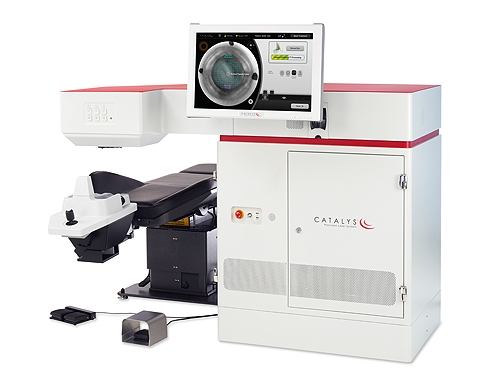
Here are some key aspects of the role of lasers in cataract surgery:
- Lens Fragmentation:
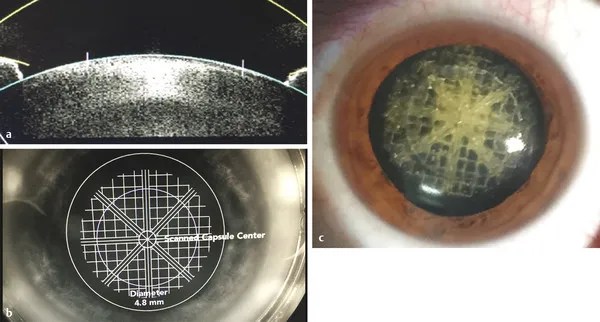
- Capsulotomy: The laser is used to create an opening in the lens capsule, which holds the natural lens. This, allows access to the cataract-affected lens. The precision of the laser helps ensure accurate sizing and positioning of the artificial lens.
- Lens Fragmentation: The laser can be used to fragment the cataract into smaller pieces, making it easier to remove. This is particularly useful in dense or hard cataracts.

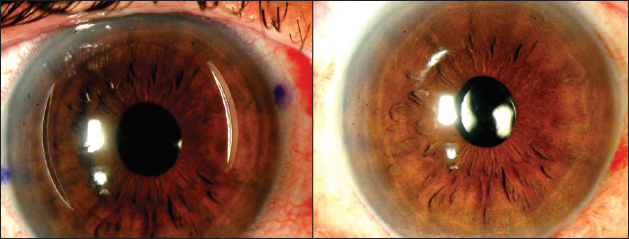
Astigmatism Correction:
- Laser technology can be employed to make precise incisions in the cornea to correct astigmatism. This is known as limbal relaxing incisions (LRIs) or arcuate incisions. Correcting astigmatism during cataract surgery can reduce the dependence on glasses for distance vision.
- Reduced Energy Requirements:
- Laser-assisted techniques may require less ultrasonic energy for lens fragmentation, potentially reducing the risk of damage to surrounding tissues.
- Enhanced Precision:
- The use of lasers adds a high level of precision to key steps in cataract surgery. This precision can lead to improved visual outcomes and reduced risks of complications.
- Customization:
- Surgeons can customize the laser treatment plan based on the unique characteristics of each patient’s eye. This level of customization is not as easily achievable with traditional manual techniques.

Improved Safety:
- Laser-assisted cataract surgery is considered safe and effective. The use of lasers can contribute to the minimization of certain risks associated with manual techniques.
It’s important to note that while laser-assisted cataract surgery offers several advantages, not all cataract surgeries require or benefit from laser technology. The decision to use laser assistance is often based on factors such as the patient’s specific eye characteristics, the surgeon’s preference and experience, and the availability of the technology at the surgical facility. Additionally, advancements in surgical techniques and technologies may have occurred since my last update in January 2023.
 Dr. Nihaal Ahmed