
In a world dominated by screens and digital devices, it’s no wonder that an increasing number of people are experiencing the discomfort of dry eyes. Whether you’re a dedicated office worker, a student burning the midnight oil, or simply someone who enjoys spending time on your smartphone, the prevalence of dry eye symptoms is on the rise. However, before you reach for artificial tears, consider a natural and holistic approach to combatting dry eyes through dietary interventions.
The Link Between Diet and Dry Eyes
The old saying, “you are what you eat,” holds true when it comes to eye health. The food choices we make can significantly impact the moisture levels in our eyes. Dry eyes often result from insufficient tear production or excessive tear evaporation, both of which can be influenced by our dietary habits. Let’s delve into some dietary adjustments that can help alleviate dry eye symptoms and promote overall eye health.
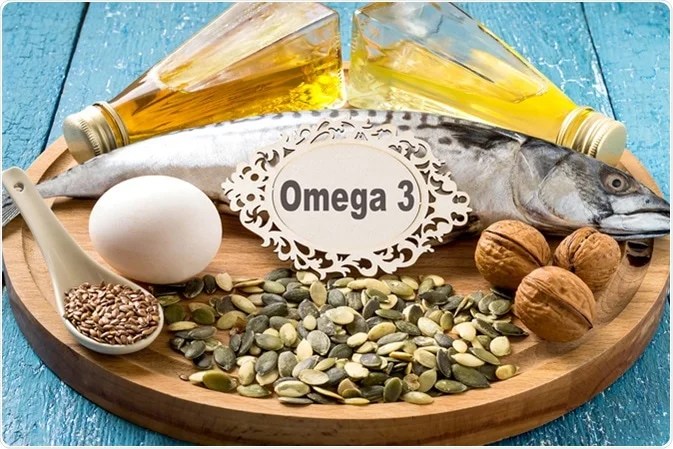


- Omega-3 Fatty Acids: Omega-3 fatty acids, found in abundance in fatty fish like salmon, mackerel, and trout, play a crucial role in maintaining the health of the eyes. These essential fats contribute to the production of tears and help reduce inflammation, two key factors in preventing and alleviating dry eyes. For those who aren’t fans of fish, flaxseeds and chia seeds are excellent plant-based sources of omega-3s.
- Vitamin A: Vitamin A is essential for maintaining the health of the cornea and conjunctiva, the outermost layers of the eye. Foods rich in vitamin A, such as carrots, sweet potatoes, spinach, and kale, can help support the function of these eye structures and combat dryness.
- Hydration: While not a specific nutrient, staying adequately hydrated is paramount for preventing dry eyes. Water is essential for overall bodily function, and proper hydration supports the production of tears. Herbal teas, coconut water, and water-rich fruits like watermelon can also contribute to your daily fluid intake.
- Antioxidant-Rich Foods: Antioxidants help protect the eyes from oxidative stress, which can contribute to dry eye symptoms. Include a variety of colorful fruits and vegetables in your diet, such as berries, oranges, bell peppers, and broccoli, to benefit from their antioxidant properties.
- Blinking Exercises: While not directly related to diet, incorporating blinking exercises into your daily routine can help distribute tears evenly across the surface of your eyes. This simple practice can be especially beneficial for individuals who spend prolonged periods staring at screens.
Taking a proactive approach to eye health through dietary choices is a powerful and natural way to address dry eye symptoms. By incorporating omega-3 fatty acids, vitamin A, antioxidants, and staying adequately hydrated, you can support the health of your eyes from the inside out. Remember, a balanced diet, combined with other eye care practices, can contribute to long-term relief from dry eyes and promote overall visual well-being. So, nourish your vision with the right foods and enjoy the clarity of healthy, hydrated eyes.
 Dr. Nihaal Ahmed